Italian city says no to factory farms, region pushes back
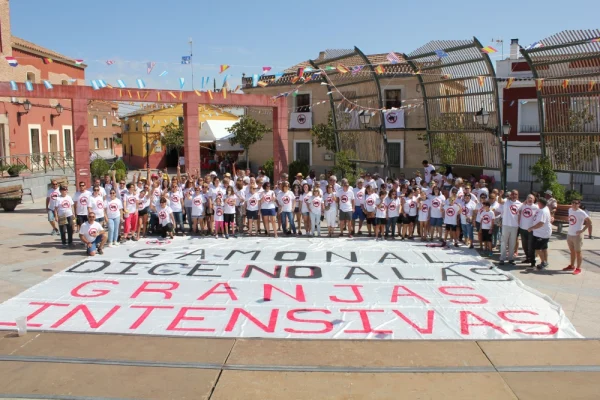
In Lombardy, Italy, where small farms are disappearing and replaced by agribusiness operations and animal factories, the municipality of Gonzaga, located in the Oltrepò Mantovano region, is waging a battle to protect the local agricultural identity – based on quality agriculture and small-scale farming – and its people’s health and nature.
Fighting for caring, local, green farming
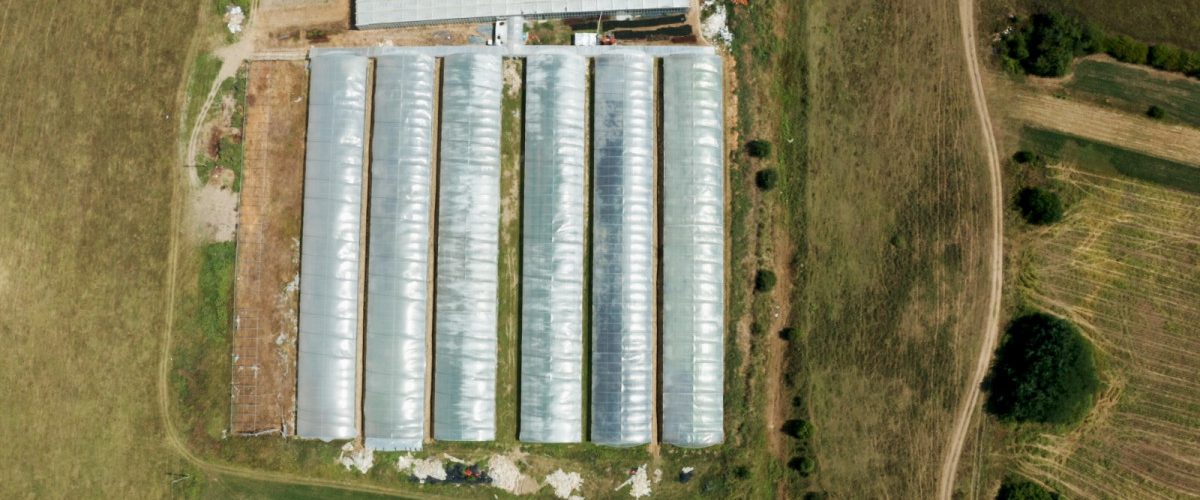
In Gonzaga, a town of about 8,500 inhabitants, livestock farms house nearly 60,000 cattle and pigs, meaning 7 farmed animals per resident, or approximately 1,198.6 head per square kilometer. One of the highest ratios ever recorded in Italy, it brings with it severe impacts on the environment, air, water, and soil.
The city council has thus drafted a regulation that suspends all permits for new intensive livestock ‘farms’ and limits the expansion of existing ones, allowing them only if aimed at improving animal welfare. However, the regional councilor for agriculture, Alessandro Beduschi from Mantua, appealed against this regulation, perhaps viewing Gonzaga’s initiative as a slight in his own constituency.
“The regulation by the Municipality of Gonzaga is a common-sense measure that protects not only the environment but, above all, the citizenry and local productions, which are being crushed by the livestock industry,” respond the associations Terra!, Essere Animali, and Legambiente Lombardia. “The appeal by the Region of Lombardy against a local administration that has decided to limit the concentration of livestock loads becomes an institutional power play against a model that should be promoted: the municipality of Gonzaga is trying to do what the Region has failed to do for decades: manage the relationship between the territory and livestock farming. Initiating legal disputes with local authorities is not the right response in the face of growing environmental pressures; what is urgently needed is to open a regional task force on the sustainability of Lombardy’s agri-food sector, with the participation of local authorities, civil society, and associations, to directly address the critical issues of intensive livestock farming. Essere Animali, Legambiente Lombardia, and Terra! are ready to participate.”
The unsustainable situation of livestock production in Lombardy
Livestock production has long been an unsustainable environmental burden: the number of farmed animals is disproportionate compared to the rest of Italy and even to most competing European regions. Numbers that exceed the territory’s carrying capacity become a factor of environmental pressure, polluting water, air, and soil, in addition to spreading diseases.
If until a few decades ago all this was justified as a ‘necessary evil’ in light of economic results that ensured the survival of a large number of family farms, it is no longer an argument that can stand. In Lombardy, livestock farms are disappearing at an alarming rate, and the farmed animals are concentrated in a shrinking number of industrial mega-farms, where robots replace workers and large quantities of imported feed replace forage cultivation. Rural society and landscape are disappearing; only the agri-food business wins.