Fisherman challenges authorities over failure to protect UK’s largest lake from factory farm pollution
“I’ve fished Lough Neagh all my life, just like my father and his father before him. Now I’m watching it die in front of my eyes. This isn’t just about my livelihood – it’s about justice for the lough before there’s nothing left for the next generation.”
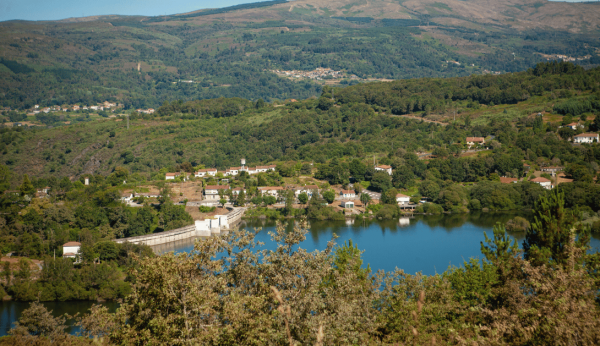
Mr Declan Colon is an eel fisherman, whose family has fished Lough Neagh for generations. It’s the largest lake in the United Kingdom and Ireland, providing approximately 40% of Northern Ireland’s drinking water. The soul of Northern Ireland, bigger than the country of Malta, it has been a haven for wildlife, wellbeing, traditional fishing communities and recreation. But it’s now have been suffering years of severe sewage and agriculture pollution, so much so that its destruction can be seen from space.
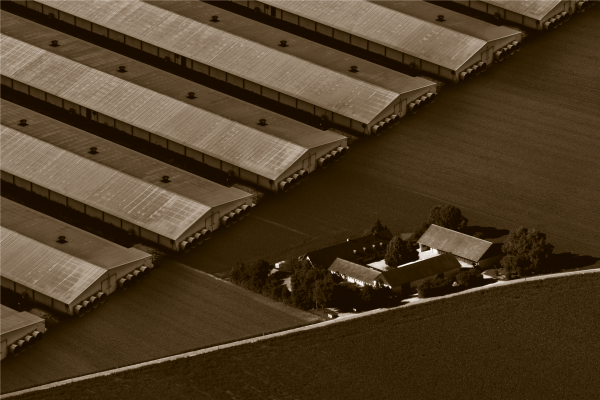
One of the main reasons has been the fast spread of US-style intensive mega factories for pigs and chickens, which increased by 20% only over a small seven-year period between 2016 and 2023. Toxic blooms of blue-green algae, which are a result of fertilizer run-off from farming, have made the water a major health hazard.
“Where there was once abundance, there are now no flies for the eels to feed on, barely any birds, and stretches of water that smell so foul you cannot stand near them », says Enda McGarrity, Mr Colon’s solicitor. “He has seen the impact with his own eyes, from wildlife disappearing to reports of animals becoming sick after contact with the water. The blue-green algae is not just unsightly; it poses a real risk to health.”
Together, they argue that the Department of Agriculture, Environment and Rural Affairs (DAERA) continues to rely on inadequate plans and unenforced pollution regimes despite clear evidence of ecological collapse over several years. It raises serious questions about how agricultural pollution is addressed by DAERA in Northern Ireland.
“My way of life has been destroyed by the blue-green algae and I want DAERA to do whatever is necessary to stop the algae and safeguard and protect Lough Neagh, the fish, the flies and the wildlife for the benefit of future generations”, says the fisherman.
In support and solidarity with Mr Declon and the communities whose livelihoods depend on the health of the lough, environmental organisations River Action UK and Friends of the Earth Northern Ireland, applied to intervene in the legal challenge.
Why? To help the Court assess whether DAERA complies with its legal duties to protect Lough Neagh. By drawing on recent legal cases addressing agricultural waste, nutrient pollution and river basin planning in England, River Action’s Head of Legal Emma Dearnaley hopes “this case will help bring about the clear, enforceable action needed to reduce pollution and restore this vital ecosystem.”
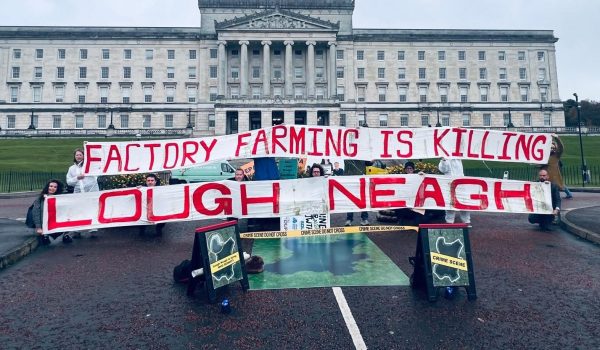
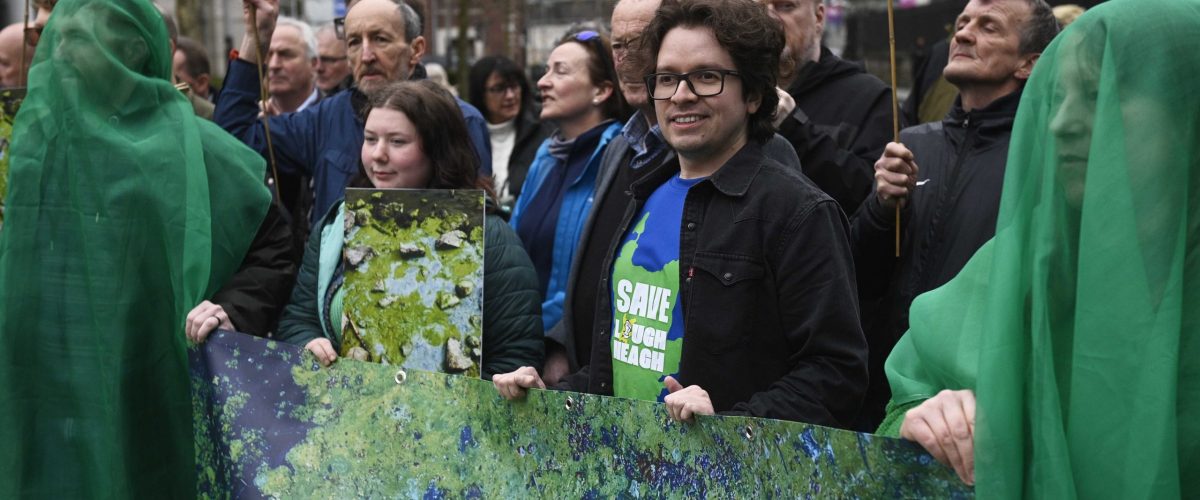
Yesterday, on the day of the first hearing, they were joined by members of the fishing community, grassroots groups and clean water campaigners for a peaceful protest outside Belfast High Court, calling for justice for Lough Neagh.
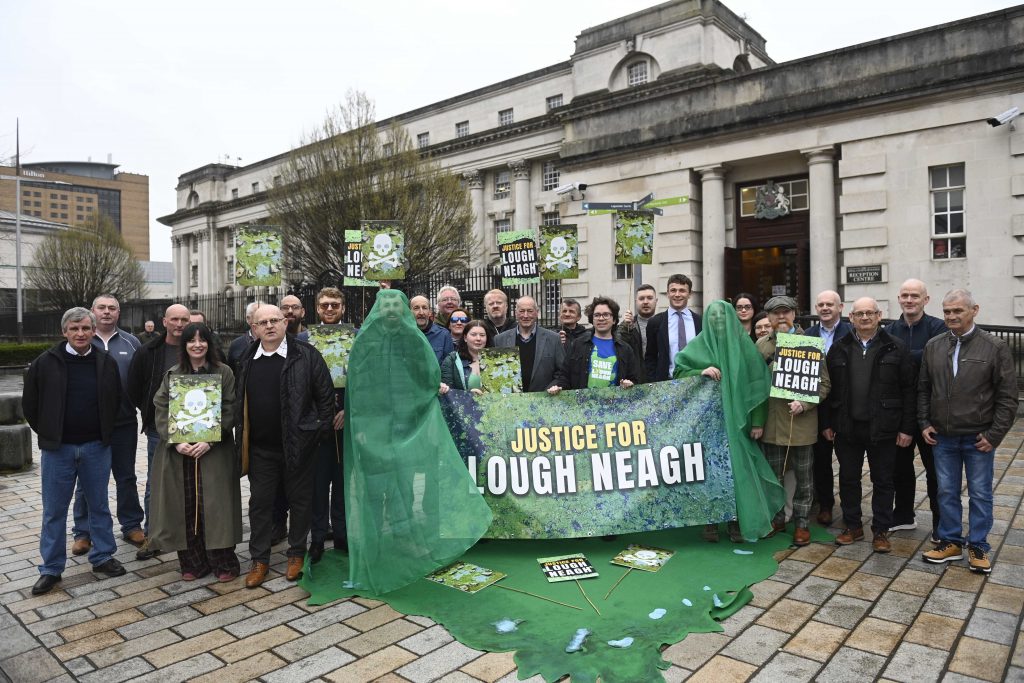
Campaigners gather outside the Royal Courts of Justice in Belfast in support of eel fisherman Declan Conlon’s judicial review against the DAERA, challenging its management of agricultural pollution in Lough Neagh. March 24, 2026. PA Photo. Photo credit: Mark Marlow/PA Media Assignments.
Campaigning to protect the lake for decades now, Friends of the Earth NI recently mobilised over 50,000 people to support a five point plan for a just settlement for the Lough. Their director, James Orr, warns Lough Neagh is « dying in plain sight ».
“For generations the lough and its communities have been betrayed by those in power. Yet again, taking this case shows the leadership to protect our life support systems is coming from our local communities.”
River Action UK and Friends of the Earth NI are now hoping for confirmation of a review and the possibility for them to intervene.