Hungary’s top court favours residents in case against pig factory & biogas plant

After five years of litigation, Hungary’s Supreme Court, the Kúria, has issued its decision in the joint civil case brought by residents of Kisbér regarding the operation of a nearby pig factory and biogas plant. The court upheld the second-instance judgment, bringing this stage of the proceedings to a close.
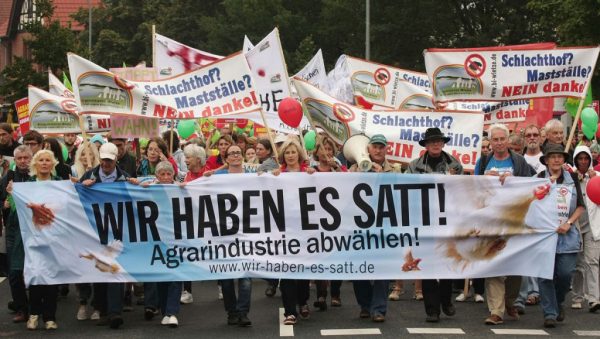
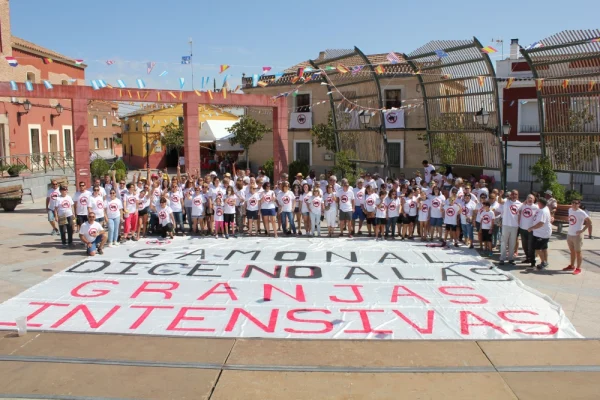
The case is part of a much longer dispute in Kisbér, in Komárom-Esztergom County, where residents have for years complained about odour pollution linked to a pig factory and biogas plant located approximately 800 metres from the village’s residential area. Since the facilities began operating, the local community has repeatedly raised concerns about the impact of the smell on daily life and the wider living environment.
According to the final judgment, roughly half of the plaintiffs were awarded HUF 3 million (approximately EUR 7500) each in compensation, while the remaining plaintiffs were ordered to pay HUF 300.000 (approximately EUR 750) in legal costs. The distinction was based primarily on whether the court considered their homes to fall within the area affected by the nuisance.
In its argumentation, the second-instance court concluded, on the basis of expert evidence, that the impact area could be accepted as extending to approximately 1300 metres. Within that range, 59 plaintiffs were found to have suffered a violation of their rights, and compensation was awarded in their favour. The claims of the remaining plaintiffs, including their claims for damages and for a declaration of infringement, were dismissed. The Kúria upheld that judgment.
Residents have criticised this approach, arguing that odour pollution does not stop at a fixed distance and that the effects cannot be fully captured by drawing a boundary around the facility. At the same time, the court’s ruling is significant as it sets a precedent: the operation of the pig factory and biogas plant caused an unlawful and unnecessary level of disturbance for residents living nearby.
Although it was a civil case, the decision may still have practical importance beyond the compensation awarded. By upholding a judgment that linked the operation of the facilities to pollution affecting local residents, the ruling may empower those seeking further action from the authorities, including in a possible administrative procedure.
The Kisbér case has been ongoing for more than a decade, with residents previously challenging the impacts of the facilities through complaints, public action, expert evidence and court proceedings. The Supreme Court’s decision does not in itself resolve the underlying environmental conflict, but it confirms the outcome of the civil case after five years of litigation and may influence what steps follow.